Managing Fleming Island Drainage: Why Catch Basin Repair is Vital for Asphalt Longevity | Asphalt Paving in Fleming Island, FL
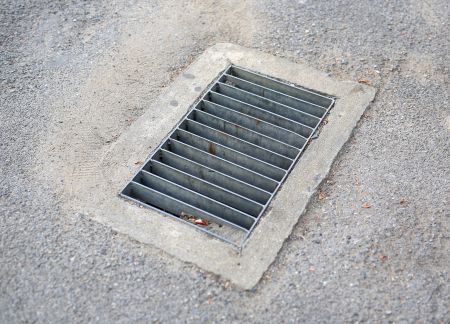
Summer storms and daily traffic put real pressure on asphalt paving in Fleming Island, FL. When a catch basin settles or clogs, water has nowhere to go. It sits on the surface, seeps into tiny cracks, and weakens the base. That is why timely catch basin repair protects the life of your driveway or parking lot and helps your pavement look good longer. For a deeper look at paving solutions built to last, explore asphalt paving services trusted by local property owners.
What a Catch Basin Does for Asphalt Paving in Fleming Island, FL
A catch basin is the box below a curb or grate that collects runoff and directs it into the storm system. On Fleming Island, short bursts of heavy rain are common, so the basin must capture water fast and move it away from your asphalt.
When a basin is set to the correct height and sealed to the surrounding pavement, water drains instead of pooling. If the frame settles or mortar breaks, the edges open up. Water leaks around the structure, washes out the base, and shows up later as depressions or cracks.
Signs Your Catch Basin Needs Attention After Florida Summer Rain
You do not need to dig or test anything to notice problems. Watch how water behaves during and after a storm and how the pavement looks day to day. Common red flags include:
- Ponding or standing water on pavement near the grate longer than 24 hours
- Sunken areas, birdbaths, or tire ruts forming around the basin
- Cracked or crumbling asphalt joints where the grate meets the pavement
- Loose, broken, or rattling frames and covers
- Erosion lines, washed-out mulch, or sediment streaks leading to the basin
- Persistent musty odors after storms from water that is not moving
These issues tend to start small in neighborhoods like Eagle Harbor, Fleming Island Plantation, and Pace Island. Left alone, they usually spread as each storm adds a little more water and stress.
How Poor Drainage Damages Asphalt Over Time
Asphalt is flexible, but water is its biggest enemy. When runoff sits on the surface, it cools the mix and opens microcracks. Water then seeps into the base, which should stay dense and dry.
Once the base gets wet, traffic loads punch down on soft spots. You may notice alligator cracking, edge breaks, and potholes clustered around the basin. Add daily sun and heat, and the binder ages faster. Repairs that would have been simple turn into larger structural fixes. In short, base failure spreads fast when drainage is ignored.
The pattern is familiar across Fleming Island and nearby Doctors Inlet: a wet season brings repeated saturation, then winter cold snaps add contraction, and spring traffic finishes the job. The good news is that correct basin height and tight joints stop most of this cycle before it starts.
Professional Catch Basin Repair and Adjustment Options
Every site is different, so a qualified crew inspects grading, flow direction, and the condition of the frame and surrounding asphalt. Common professional solutions include:
- Catch basin adjustment to raise or lower the frame so the grate is flush with finished asphalt
- Frame and grate replacement when metal has warped, cracked, or no longer seats tight
- Rebuilding the top course or collar of the basin and sealing the joint to stop leakage
- Mill-and-overlay tie-in to create smooth transitions and restore proper slopes
- Crack sealing and patching around the basin to keep water out of the base
The crew also checks for sags upstream that send water the wrong way and clears blockages that slow drainage. If your driveway or parking lot has settled near the curb, a small profile change near the gutter can make a big difference in how fast water disappears.
If you are comparing maintenance items, remember that drainage fixes protect every other repair. Restoring a smooth, watertight tie-in first helps your patches, overlays, and sealcoat perform as they should. Learn how this ties into long-term care by reviewing our approach to asphalt repair and paving for homes and businesses.
Neighborhood and Site Conditions Across Fleming Island
Fleming Island’s mix of waterfront views, mature trees, and HOA sidewalks creates unique drainage challenges. In areas like Fleming Island Plantation and Eagle Harbor, long driveways meet curb inlets at tight angles. Leaves and pine needles can slow flow around grates after windy storms.
Along U.S. 17 and near shopping centers, wide parking fields can push large volumes of water to a few basins during peak downpours. If one basin settles even half an inch, it stops catching water on time. That extra load then spreads across stalls and drive lanes, increasing wear.
In gated neighborhoods like Pace Island, driveway slopes are often gentle. That is comfortable for driving, but it also means water needs a clear path to the street. When the catch basin is too low or the asphalt joint opens, runoff sneaks under the mat, and you start seeing damp edges or striping in the same spots after each storm.
Why Fixing the Basin Protects the Whole Pavement
Think of your catch basin like the keystone in an arch. When it sits level and sealed, it holds everything around it in line. If it drops or leaks, the surrounding asphalt takes the load and begins to deform.
Bringing the basin to the correct height restores the plane of the surface, so tires roll smoothly. Tight joints stop infiltration, so the base stays strong. When you solve the drainage first, other treatments last longer and look better. That is why many smart property managers in Fleming Island schedule basin work before any overlay or restripe.
Maintenance Plan to Prevent Asphalt Base Failure
You do not need a complicated program to keep drainage working. A simple plan prevents small issues from turning into big ones:
- Schedule periodic inspections before and after the summer storm season
- Clear visible debris from around grates after windy days and leaf drops
- Report ponding and birdbaths near grates as soon as you notice them
- Combine catch basin adjustment with patching so joints stay sealed
- Ask for photos and notes after service to track changes over time
Never ignore standing water. If you see it more than a day after rainfall, the basin and surrounding pavement need attention. Fast action saves the base and keeps your lot or driveway safer for drivers and walkers.
Driveway Drainage Solutions for Homeowners
Home driveways on Fleming Island often sit under tree canopies and drain toward the street. When the curb inlet sits low or the tie-in fails, water pools across the apron. Rebuilding the collar and resetting the frame usually restores proper flow.
If your driveway meets a common sidewalk or HOA curb, document any repeat puddles with date-stamped photos after storms. Share them when you call so a pro can pinpoint the cause and plan the right fix. The goal is simple: move Florida summer rain runoff off the surface quickly and keep the base dry.
Parking Lot Considerations for Local Businesses
Shops and offices near County Road 220 and U.S. 17 see high traffic right after storms. Good drainage keeps customers out of puddles and protects striping and ADA routes. When a lot has multiple basins, one out-of-level structure can push water into low spots far away, so a full-lot assessment matters.
A professional crew checks elevations, flow lines, and grate locations, then recommends repairs that match your schedule. Many owners plan work early in the morning or on low-traffic days to reduce downtime. Tighter joints, clean inlets, and correct slopes mean fewer callbacks and a nicer first impression.
Why Choose M Kerrigan Paving and Construction for Catch Basin Repair
Local experience matters when storms hit hard and fast. M Kerrigan Paving and Construction understands the soils, traffic patterns, and weather that shape Fleming Island pavement. Our team sets basins to the right height, seals joints, and restores smooth, even transitions that shed water the way they should.
If you want a deeper overview of resurfacing and structural fixes, take a look at our proven approach to asphalt paving built for North Florida conditions. You can also learn more about asphalt paving in Fleming Island, FL and how a strong base plus smart drainage adds years to your surface.
What to Expect During Professional Repair
The process starts with a site walk to confirm the cause of ponding and note any settled frames or broken collars. The crew then prepares the area, adjusts or rebuilds the basin top as needed, and ties it back to the pavement with a smooth, compacted patch. Finally, the joint is sealed to block water and protect the base.
Work areas are kept safe and clearly marked so people can move around them. Once completed, water should drain quickly in normal storms. After the next heavy rain, you should see a clean sweep of water into the grate instead of puddles or streaks across the surface.
When to Call M Kerrigan Paving and Construction
If you notice ponding near a grate, repeating depressions, or cracking around an inlet, it is time to act. Early repairs cost less than structural fixes and keep your pavement looking fresh. Call M Kerrigan Paving and Construction at 904-505-7684 to schedule a visit and protect your investment.
Ready to move water off your surface and extend pavement life? Start with the drainage. Our team can inspect your site, recommend the right catch basin repair, and get the work done on your timeline. Learn how we build long-lasting results with proven asphalt paving services for Fleming Island properties.