How Often to Sealcoat Florida Parking Lots and Why It Pays Off
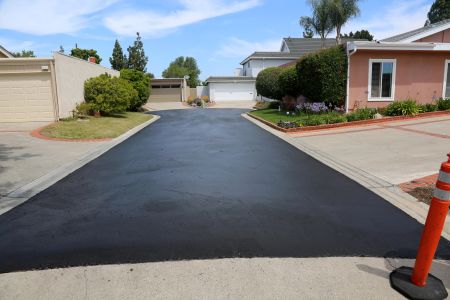
In Fleming Island, sun, rain, and daily traffic work your asphalt hard. That’s why most commercial lots do best on a simple plan: sealcoat every 2–3 years. If you already invest in asphalt paving, locking in that surface with the right sealcoating schedule keeps your pavement looking sharp and performing well.
The Sweet Spot: Sealcoat Every 2–3 Years in Fleming Island
For most businesses around Eagle Harbor, Doctor’s Lake, and along County Road 220, a 2–3 year reseal cycle strikes the right balance. That cadence protects against oxidation and water while avoiding overcoating. Busy retail centers and lots with constant turning movements may take closer to two years. Quieter office parks and churches can often stretch toward three, as long as inspections stay regular.
Newly paved lots should wait until the asphalt has cured before the first sealcoat. After that first application, stick with your 2–3 year rhythm and adjust based on traffic, shade, and surface condition.
What Florida Climate Does to Asphalt: UV, Rain, and Heat
Northeast Florida’s climate is beautiful but tough on pavement. Intense UV dries the binder and fades the color. Heavy rain tests weak spots and pushes water into tiny cracks. Heat makes turning tires grind the surface. Over time, that mix leads to raveling, faded gray patches, and early cracking.
A sealcoat adds a protective film that blocks UV, sheds water, and resists oil drips. That thin, uniform layer keeps the top of your lot sacrificial, so traffic wears the coating first—not the asphalt itself.
Afternoon pop-up storms are common from late spring through early fall. Plan sealcoating for a dry window and stage work earlier in the day so the surface cures before evening humidity rises.
Traffic and Use: Match Your Schedule to Real-World Wear
Two identical lots can age differently based on how they’re used. Delivery lanes, dumpster pads, drive-throughs, and entrance throats take the brunt of turning and slow rolling. Those areas see more scuffing and fuel spills, so they often need tighter intervals or spot touch-ups between full-lot coats.
- High-turn zones: consider the shorter end of the 2–3 year range.
- Light-use sections: monitor color and texture; schedule with the broader property plan.
- Shaded or north-facing areas: expect slightly slower curing and watch for dew.
If you manage mixed-use sites—retail on one side, office on the other—build your plan around the toughest zones and let that cadence guide the rest of the lot.
Clear Signs Your Parking Lot Needs Resealing Now
You don’t need lab tests to know it’s time. Watch the surface and keep simple records. When the following show up, you’re due for a reseal:
- Color has shifted from deep black to mottled gray that doesn’t darken after cleaning.
- Hairline cracks begin linking together, especially along wheel paths.
- Fine aggregate feels sandy or gritty underfoot.
- Oil and food stains set quickly and leave ghost marks.
Mark the calendar when you reseal and take a couple of dated photos at the same spots each year. That quick habit makes timing the next coat easier and keeps everyone on the same page.
Why Regular Sealcoating Pays Off for Businesses
A steady sealcoating rhythm protects more than asphalt. It protects your brand and the experience people have when they pull in. Dark, even pavement improves striping visibility, guides traffic, and helps your site feel cared for. It also supports a safer walking surface by keeping fines locked down and reducing loose grit at entries.
For property managers, the win is lifecycle control. A small, predictable maintenance line item helps you avoid bigger disruptions later. Think of sealcoating like sunscreen for your lot: a little protection now prevents a much harsher problem down the road.
Seasonal Timing: Book Around Weather for Faster, Cleaner Results
Sealcoating performs best in warm, dry conditions with stable temperatures. In our area, mornings often provide the longest dry stretch before any pop-up showers. Aim for a clear 24–48 hour window for curing, especially if the lot stays shaded. Work with your contractor to phase entrances and key routes so customers can still access your business safely.
Avoid opening lanes too early after coating. Even if the surface looks dry, tires can twist the film and leave marks that shorten the life of the coat.
Operations Planning: Keep Customers Safe and Traffic Moving
Good planning makes sealcoating smooth. Coordinate with tenants, set detours, and schedule the work during off-peak hours. Post notices at least a few days in advance, and use cones, barricades, and clear signage. Your crew should seal and reopen in logical phases, starting with the least-used areas and finishing with the busiest access points.
Think about service schedules too. Waste pickup, deliveries, and landscaping can all be shifted for a day or two so fresh coating stays clean and undisturbed.
Special Cases: Coastal Exposure, Heavy Vehicles, and Millings
Lots closer to the river or Intracoastal get more wind-driven moisture and salt spray, which can wear coatings sooner. Where school buses, RVs, or semi-trailers turn and stage, shear forces are higher, so lean toward shorter intervals. And if parts of your site use asphalt millings, talk with your contractor about the right approach. Millings and fully paved sections weather differently, so they may not share the same maintenance plan.
Simple Maintenance Habits That Extend Time Between Coats
Sealcoating isn’t a set-it-and-forget-it task. Light housekeeping keeps the film intact and your lot looking new longer:
- Sweep regularly to remove sand and debris that acts like sandpaper.
- Clean oil or food spills quickly so they don’t soften the surface film.
- Keep drains clear to prevent standing water after storms.
- Trim encroaching edges so grass and weeds don’t pry at the pavement.
Don’t spot-patch with random store-bought products. Mismatched materials can cause peeling and make future coats harder to bond. Let your contractor evaluate and use compatible products so the next sealcoat adheres correctly.
A Local Example: How Usage Shapes the Timeline
Imagine two nearby properties in Fleming Island. A boutique in a small center near Thunderbolt Park sees many short visits with tight turns, while a professional office on a quiet side street gets longer, gentler traffic. The boutique lot might get resealed every two years, focusing extra attention on drive aisles and loading zones. The office lot could likely hold to three years, with annual inspections and touch-ups where needed.
Your Reseal Checklist for the Next 12 Months
Want to stay ahead without guesswork? Use this quick plan:
- Walk your lot quarterly and note color, stains, and any new cracking.
- Schedule your next sealcoating during a historically dry window and set a weather fallback date.
- Coordinate phasing so entrances stay open, and ADA routes remain clear.
- Plan re-striping immediately after curing so markings pop on a dark surface.
Keep Your Lot Looking New: Partner With M Kerrigan Paving and Construction
If you’re weighing the 2–3 year question, a quick site walk can tell us everything we need to tailor a plan for your property. Our local team understands Northeast Florida’s UV, rain patterns, and traffic habits, and we’ll recommend the right cadence for each corner of your lot.
Ready to protect your pavement and boost curb appeal? Call M Kerrigan Paving and Construction at 904-505-7684 to schedule your evaluation today. We’ll assess traffic, shade, drainage, and recent work, then give you a clear, no-pressure plan to keep your parking lot performing for years.