Asphalt Patching in Fleming Island, FL: When Infrared or Cut-and-Patch Makes Sense
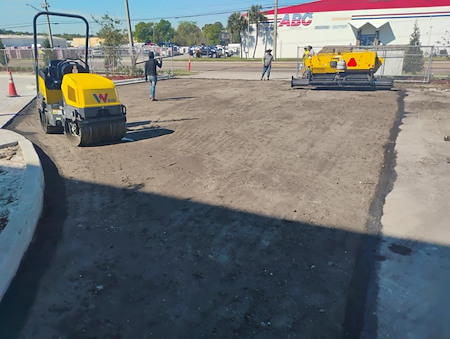
Not all pavement damage needs a full replacement. Many driveways, roads, and parking lots around Fleming Island can be restored with smart asphalt patching in Fleming Island, FL. Below, you will see when asphalt patching and repair is the right choice, and how to decide between infrared and traditional cut-and-patch methods for long‑lasting results.
At M Kerrigan Paving and Construction, we match the repair to the problem. Our team works across neighborhoods like Eagle Harbor, Pace Island, Doctors Inlet, and Lakeside, so we understand how heat, sun, and summer storms affect your pavement.
What Asphalt Patching Means For Fleming Island
Asphalt patching restores small to medium problem areas so the surrounding pavement keeps serving you. The goal is simple. Fix the damage, stop water from getting in, and blend the repair so it rides smooth and looks clean.
Choosing the right method depends on the type of distress, the condition of the base, and how often heavy vehicles use the area. Always fix the cause of the damage, not just the surface.
When Infrared Asphalt Repair Makes Sense
Infrared repair uses controlled heat to soften the top lift of asphalt. We add fresh mix, rework the area, and compact it so the new patch thermally bonds to the old surface. The result is a seamless look that sheds water and resists early raveling.
- Best for shallow potholes, birdbaths, ruts, and minor alligator cracking that has not reached the base.
- Great for quick turnarounds at storefronts and HOA entrances where you want a smooth, blended finish.
- Useful in cooler mornings or after brief showers when the surface needs help bonding tight.
Water intrusion is the number one enemy of asphalt in Florida. If damage is surface‑deep and we can seal the area well, infrared is a fast, durable option that keeps moisture out.
When Cut-and-Patch Is the Better Choice
Cut-and-patch is exactly what it sounds like. We sawcut the damaged area, remove failed material, rebuild the base if needed, and compact new hot mix. This is the right move when the structure below the surface is compromised.
- Ideal for persistent potholes, base failures near dumpster pads, and patches that keep sinking or pumping water.
- The go‑to fix after utility trenching or service line work where joints need clean edges and tight compaction.
- Helpful along heavy truck paths where turning and braking grind the surface and stress the base.
Think of cut-and-patch as a mini rebuild. It takes a bit longer than infrared, but it addresses hidden problems so the repair lasts.
Pothole, Crack, and Utility Cut Repair: Picking the Right Method
Different defects call for different answers. Here is a simple way to think about common repairs around Fleming Island and nearby Orange Park and Green Cove Springs:
Never rely on temporary cold patch as a long‑term fix. It helps with safety in a pinch, but permanent repairs should follow once the area is dry and stable.
For utility cuts, bonding and compaction at the edges matter most. Clean sawcuts, proper base density, and tight joints keep water out and prevent settlement along the trench line.
How We Evaluate Your Pavement In Clay County Weather
Our team studies the site before recommending a repair. That keeps surprises away and helps your patch blend and last through our long, hot summers and intense afternoon storms.
- Base strength: Does the area move under load or stay firm after rain?
- Drainage: Do puddles form after a typical summer shower?
- Crack pattern: Are cracks fine and shallow or wide and interconnected?
- Traffic: Are there frequent delivery trucks, school pickup lines, or tight turning areas?
If the base is solid and issues are at the surface, we lean toward infrared. If we find pumping, soft spots, or repeated failures, we recommend a clean cut-and-patch with proper base repair. When a larger area shows wear, we may suggest pairing patches with parking lot resurfacing so the whole surface rides and drains like new.
Infrared vs. Cut-and-Patch: A Quick Side‑By‑Side
Both methods have a place. The right choice starts with a clear diagnosis, not a preference for one tool.
- Infrared shines when damage is shallow, you want a blended look, and downtime needs to be minimal.
- Cut-and-patch wins when the base is weak, water keeps returning, or a trench needs square, dense joints.
If your site has a mix of problems, we may combine methods. For example, rebuild a failed dumpster pad with cut-and-patch, then use infrared to smooth ruts and birdbaths in nearby stalls.
Protecting Repairs So They Last Longer
A good patch is the start, not the end. The way you maintain the surface after repairs shapes how long that investment holds up. Pair targeted patches with preventive care like sealcoating so UV, oil, and stormwater do not undo the work.
Paint and marking visibility matter too. Clear striping keeps traffic moving the right way, which reduces scuffing in tight turns and protects edges around new patches.
Real‑World Examples Around Town
Home HOAs near Eagle Harbor often call about ruts where cars cut the same corner daily. If the base is firm, infrared blends those spots so water sheds again and edges look neat. In retail lots along County Road 220, repeated failures near loading areas usually point to base issues. There, cut-and-patch with fresh base and dense compaction is the durable path.
On residential streets and private drives, utility cuts sometimes settle or crack at the joint. Clean sawcuts, tack at vertical edges, and firm base compaction keep the patch from separating when summer storms arrive.
What To Expect From Our Process
We start with a site walk. We check grades near inlets, look for soft subgrade or pumping, and study turning paths near dumpsters, gates, and drive‑thrus. Then we recommend the best fit for each defect and phase the work to keep people moving safely.
During the repair, we monitor temperatures and density. Ask about temperature control and compaction for every patch. Those two details decide whether a patch stays tight through the first hot season.
When we finish, we review the transitions and joints, confirm drainage, and share simple care steps like when to resume heavy turning and where to watch after the next storm.
When a Patch Is Not Enough
If problems are widespread, dozens of small patches can end up costing more and looking choppy. In that case, we may recommend targeted base repairs followed by a mill-and-overlay. That refreshes the entire surface so patches do not stand out and drainage works across the whole lot.
You can learn more about overlay options and how they pair with repairs on our parking lot resurfacing page. If you are focused on a driveway upgrade, explore asphalt paving for a smooth, strong finish.
Your Next Step In Fleming Island
If you are dealing with a stubborn pothole, cracked joint, or a recent utility cut, our team is ready to help. Start with a quick assessment so we can recommend infrared or cut-and-patch with confidence. You can read more about our approach to asphalt patching and repair and see how we tailor fixes for Florida weather.
For a simple overview of services, visit our home page and browse resources about asphalt patching in Fleming Island, FL. When you are ready, call 904-505-7684 for friendly scheduling and clear communication from start to finish.
Ready For A Smoother Surface?
Protect your investment and keep people safe with repairs that are built to last. Whether it is a small birdbath, a recurring pothole, or a fresh utility cut, M Kerrigan Paving and Construction will guide you to the best method for your site. Let’s restore curb appeal and performance on a timeline that fits your day.
Take the first step today. Schedule a site walk and get a clear plan for repairs that fit your pavement. Start here: asphalt patching and repair service.