Asphalt Millings for Driveways: What to Know Before You Choose Them
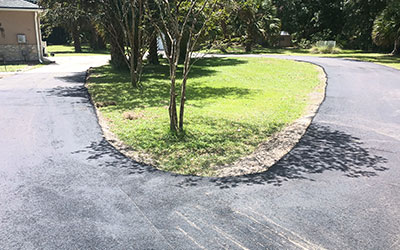
Thinking about asphalt millings for your driveway in Fleming Island? You’re not alone. Many homeowners want a durable, tidy surface that handles summer rain and daily traffic without a lot of upkeep. If you’re weighing options, it helps to understand how millings behave in our climate, how they compare to traditional asphalt or gravel, and what a quality install really takes. For a deeper dive or to plan your project, explore asphalt millings installation with M Kerrigan Paving and Construction.
What Asphalt Millings Are and Why Local Homeowners Consider Them
Asphalt millings are recycled pieces of old pavement that get graded and compacted into a hard, bonded surface. When installed correctly, the millings interlock and create a firm, smooth finish that looks neat and controls dust far better than loose stone.
In Fleming Island and nearby neighborhoods like Eagle Harbor, Pace Island, and Hibernia, millings appeal to homeowners who want a clean driveway that stands up to frequent rain and sandy soils. They’re also a practical fit for longer private drives where you want stability without the ongoing ruts you might get with gravel.
Pros and Cons of Florida Driveways
No surface is perfect for every home. Here’s a quick view of how millings perform in our area.
- Pros: Good traction when compacted, controls dust better than gravel, sheds water well with proper grading, and uses recycled material.
- Cons: Not ideal for constant heavy turning like tight cul‑de‑sacs, can track a bit of fine residue early on, and edges need support to avoid unraveling.
Our heat and summer downpours reward careful grading and compaction. Millings that are too loose or thin won’t lock up well, especially near garage aprons or at the street tie‑in.
How Millings Compare to Asphalt and Gravel
Millings vs. Traditional Asphalt
Traditional asphalt is fully bound with fresh liquid asphalt, so it tends to look darker and more uniform. Millings create a semi‑bound surface that feels close to asphalt once compacted, though it doesn’t need the same curing time. If you want maximum uniformity and a glossy black look, asphalt paving is still the standard.
Millings vs. Gravel
Gravel can rut and wash out, especially near the road where runoff is strongest. Millings knit together under heat and traffic, so they resist washouts better and keep dust down. If your gravel driveway needs constant regrading, millings can feel like a major upgrade.
What Makes a Quality Milling Installation
Results come down to prep and technique. A great-looking milling driveway is built on a firm base with consistent material and tight compaction from edge to edge.
- Base prep: Remove soft spots, fix drainage, and compact the subgrade so the surface can lock and stay flat.
- Right mix: Well‑graded millings compact better than chunky or overly fine material.
- Compaction: Multiple passes with a vibratory roller help bind the surface and reduce early tracking.
- Edges: Concrete ribbons, paver borders, or soil shoulders protect the edges from raveling where tires meet the margin.
Will Asphalt Millings Suit Your Property?
Most Fleming Island homes do well with millings, but a quick check of a few site details helps decide:
- Steep sections: If your driveway climbs from the street to the garage, traction is fine with good compaction, but very sharp slopes may benefit from additional edge support and tighter rolling.
- Shade and tree litter: Oak leaves and pine needles are fine. Just blow debris off before it mats down. A clean surface stays tighter and looks better.
- Turning areas: Spots where vehicles turn in the same place every day, like near the garage, need careful rolling and sometimes a thicker lift. That keeps the top from loosening over time.
- HOA expectations: Communities like Eagle Harbor or Pace Island care about tidy curb appeal. Millings can look crisp and uniform, especially with defined edges along turf or a decorative border.
Maintenance You Should Expect
Millings are low‑maintenance, not no‑maintenance. Plan on simple care to keep the surface tight and clean:
Blow off leaves and sand now and then, especially after storms. Touch up loose edges if lawn crews scuff them during trimming. If a small area settles after the first season, a quick re‑roll often brings it back together. For paved areas on your property, pairing millings with smart upkeep is a win.
Common Misconceptions and Contractor Red Flags
One common myth is that millings are just “fancy gravel.” In reality, the particles still contain asphalt binder that softens with heat and compaction, which is why rolling matters so much. Another myth is that millings always look dusty. A good blend and proper compaction greatly reduce dust after the first few weeks.
Watch for red flags: unsolicited door‑to‑door offers, “leftover material from another job,” or pressure to decide on the spot. Reputable teams confirm the base, material blend, and compaction plan before work starts, and they’ll explain how they’ll protect edges near turf or pavers.
Where Millings Shine vs. When Asphalt Is the Better Fit
Millings Are a Strong Choice When
- You want a stable surface that handles rain well without constant regrading.
- Your driveway is long, lightly to moderately traveled, and you prefer a natural, clean look.
- You value recycled materials and want less dust than gravel.
Choose Traditional Asphalt When
- You want the darkest, most uniform finish with painted striping or decorative edging.
- Heavy daily turning or a trailer pivoting in tight spaces.
- You prefer a surface that pairs with routine sealcoating for a jet‑black appearance.
If you’re undecided, a short site visit can help. We’ll look at slope, drainage, soil, and your daily parking patterns, then recommend a surface that fits your goals.
Local Factors in Fleming Island That Influence Results
Summer rain and sandy soils: Our area drains quickly, which is good, but it also means you need a firm base and a slight crown to move water off the surface. That’s why we compact the subgrade first, then the millings in multiple passes.
Street tie‑ins and aprons: The point where your driveway meets the road often takes the most abuse. A tightly rolled apron and a clean seam reduce tracking, especially where tires turn in from Pace Island Trace or County Road 220.
Tree roots and edges: Near large oaks along Doctor’s Lake, shallow roots can lift edges over time. Defined borders help keep the surface contained and neat.
What the Installation Day Looks Like
Most residential projects follow a simple rhythm. We walk the drive, mark drainage paths, and prep the base. Trucks deliver well‑graded millings, our crew spreads them in even lifts, then the roller locks everything in. A final pass tightens the surface and blends transitions at the garage and the street. You can typically use the driveway soon after compaction since there’s no cure time like freshly laid asphalt.
Choosing the Right Team
Great results come from planning and consistency. Ask about base preparation, the type of millings, how many roller passes they expect, and how the edges will be protected. A trustworthy crew will also explain the cleanup, schedule, and how they’ll keep sand from creeping onto the surface during the first weeks. If you also have paved areas, our team handles full asphalt work too, so you can keep everything under one roof with asphalt paving in Fleming Island by M Kerrigan Paving and Construction.
Tip: Keep cars off fresh millings for the first day if possible. That short pause lets the surface set up, especially in warm afternoon temps.
Ready to See If Millings Are Right for Your Driveway?
Every property is unique, from shade patterns in Eagle Harbor to drainage near Hibernia. We’ll walk your site, check slopes, and recommend the surface that fits how you live and drive.
Want a driveway that stays tidy through Florida storms? Call M Kerrigan Paving and Construction at 904-505-7684 and get a friendly, no‑pressure assessment. We’ll explain your options in plain language and schedule your project at a time that works for you.